

Armed agents break into private residences—sometimes in the middle of the night without presenting judicial warrants.


Over the past century, advances in human rights have shaped societies everywhere. People have fought for dignity, fairness, and freedom, and their efforts have brought significant change. Yet the last few years have shown with brutal clarity that progress is fragile. In many places, rights exist on paper while bodies, homes, and communities are destroyed in reality. Recent events in Ukraine, Gaza, and the United States reveal how violations today are not abstract ideas but lived experiences marked by fear, pain, and loss.
In the early twentieth century, human rights were still a developing idea. After two world wars and mass atrocities, the international community attempted to set moral boundaries through shared standards. The Universal Declaration of Human Rights promised protection from torture, arbitrary detention, and violence. These principles were meant to prevent a return to the horrors of the past. Yet, in the present day, scenes emerging from modern conflicts echo the very abuses those agreements sought to stop.
In Ukraine, recent human rights monitoring describes repeated attacks on civilian areas that have turned ordinary streets into killing grounds. Missiles and drones have struck apartment buildings, buses, hospitals, and energy infrastructure. Survivors describe pulling bodies from smoking rubble with bare hands, while freezing families huddle in dark apartments without heat or water after power stations were destroyed in winter conditions. Hospitals have been hit directly, with shattered windows, bloodstained corridors, and patients dying as generators fail. Investigators have documented executions and torture of prisoners of war, leaving bodies bearing signs of closerange gunshots and abuse. These are not isolated accidents but patterns of violence that show civilians being treated as expendable.
In Gaza, human rights reports describe a landscape reduced to ruins. Entire neighborhoods have been flattened, leaving families digging through debris for the remains of loved ones. Hospitals and shelters have been overwhelmed or destroyed, with wounded people lying on floors amid dust, blood, and the smell of decay. Children have been pulled from the rubble with crushed limbs or severe burns, while others die slowly from dehydration and untreated infections as food, clean water, and medical supplies are blocked or delayed. Displaced families crowd into makeshift shelters where disease spreads easily, and hunger is constant. Bodies are sometimes buried hastily under collapsed buildings because it is too dangerous to recover them. The scale and intensity of the suffering have led international observers to warn of war crimes and possible atrocity crimes.
Human rights abuses are not limited to war zones. In the United States, recent investigations and UN statements describe serious violations within immigration enforcement and detention. Detainees have reported being held in overcrowded, filthy cells where toilets overflow and people sleep on concrete floors under constant light. Some describe being denied medical care while bleeding, pregnant, or seriously ill. Others recount being shackled for long periods, subjected to physical force, or placed in small cagelike spaces as punishment. Families are torn apart during raids, with children left traumatized as parents are taken away. In some cases, enforcement operations have involved lethal force, raising alarm about excessive and unlawful violence by authorities in a country that publicly presents itself as a defender of human rights
Human rights organizations, journalists, and UN officials have also raised alarm over the conduct of U.S. Immigration and Customs Enforcement (ICE) officers during immigration enforcement operations. Reports from Human Rights Watch, Amnesty International, and UN News describe patterns of warrantless or coercive home entries, where armed agents break into private residences—sometimes in the middle of the night—without presenting judicial warrants, terrifying families and children and violating protections against arbitrary searches and detention. Individuals, including U.S. citizens, have been seized based on racial profiling or mistaken identity, held without adequate due process, and released without explanation after hours of detention.
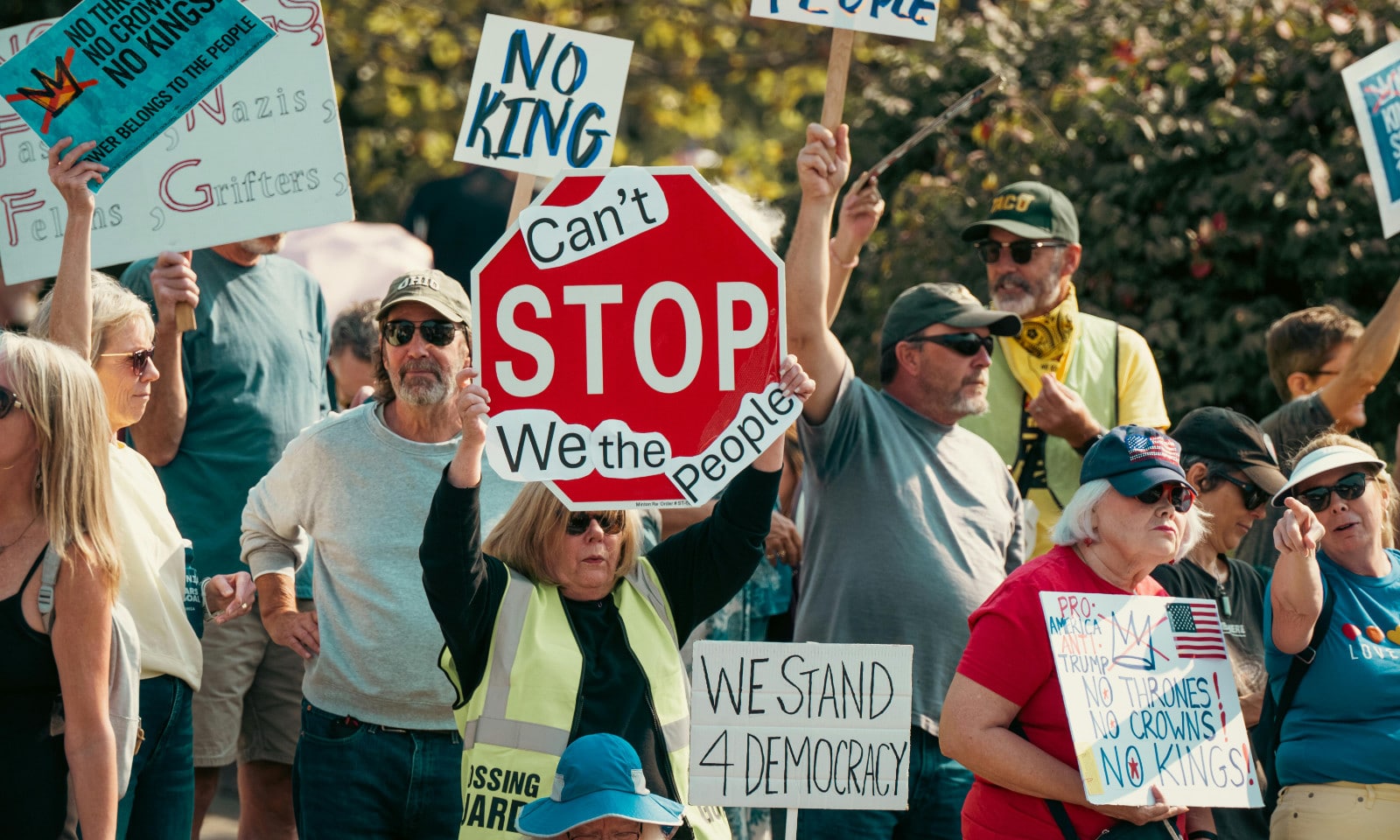
Beyond arrests, ICE operations have increasingly involved militarized force against civilians and protesters. Investigations and court filings document the use of chemical irritants, physical violence, and intimidation against people peacefully observing or protesting immigration raids. In several incidents, federal operations involving immigration agents have resulted in the fatal shooting of unarmed civilians, prompting judicial intervention, lawsuits, and investigations by the Department of Homeland Security’s own watchdog. UN officials have warned that these practices amount to arbitrary arrest, excessive use of force, and collective punishment, eroding the rule of law and demonstrating that human rights violations can occur not only in distant war zones but within democratic states that claim to uphold them
These examples show that modern human rights violations are not distant or theoretical. They are experienced through shattered bones, burned skin, starvation, imprisonment, and terror. They expose how political conflict, fear of “outsiders,” and unchecked power can strip people of dignity anywhere in the world. Even societies with strong legal traditions can permit abuse when accountability weakens and prejudice is normalized.
Looking forward, the future of human rights depends on confronting these realities honestly rather than hiding them behind legal language or political slogans. Education, accountability, and international cooperation remain essential, but so does the willingness to witness suffering and name it clearly. The history of human rights shows that progress is possible, but the evidence from Ukraine, Gaza, and the United States demonstrates that rights must be actively defended every day—or they can be violently taken away.. 