


In a society that prizes autonomy and reinvention, the bonds between generations have become increasingly fragile.


ABSTRACT: This manuscript examines the growing distance between generations as a product of modern cultural habits rather than an inevitable feature of social life. It argues that intergenerational repair is a human responsibility rooted in continuity, shared memory, and the ethical practice of listening. By reframing responsibility as a matter of capacity rather than fault, the piece highlights how families and communities can rebuild trust through presence, curiosity, and a willingness to engage across differing experiences. The manuscript situates generational connection as essential not only for personal relationships but for the health of democratic societies, which depend on cooperation between age groups to address long‑term challenges. Ultimately, it presents intergenerational repair as an ongoing practice that strengthens both individual lives and the broader social fabric.
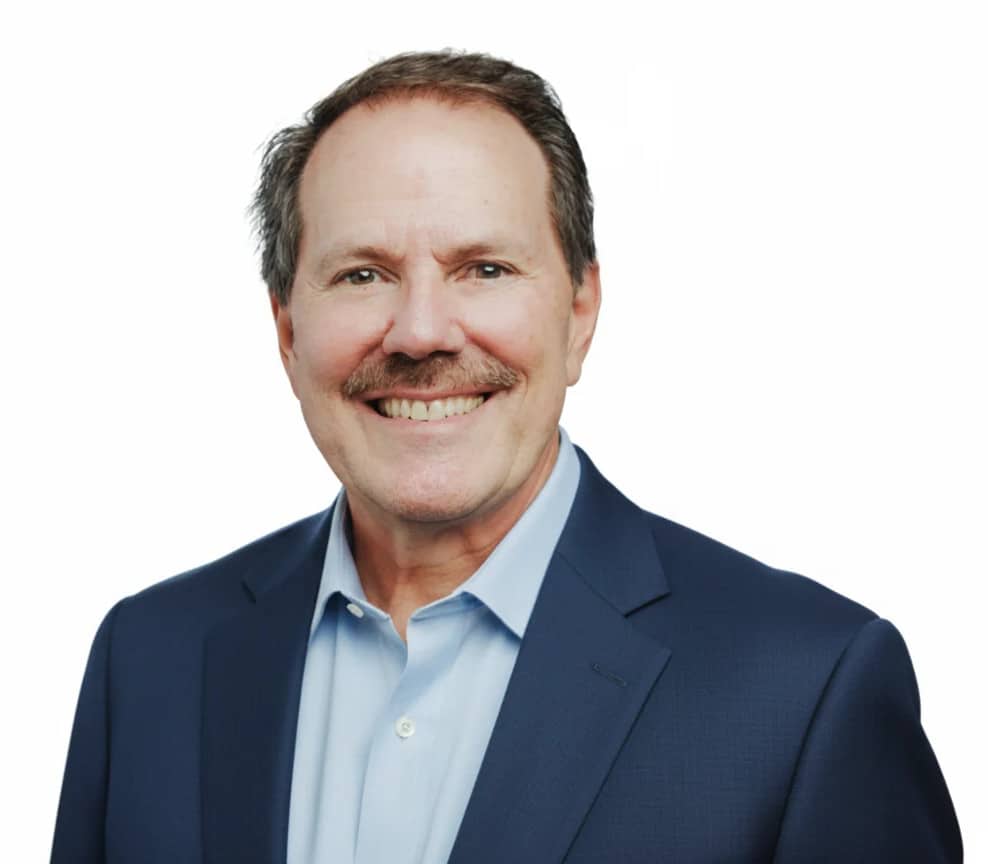
Charles Aybar
There is a quiet tension that settles into many contemporary families—a tension not born of dramatic conflict but of accumulated distance. It shows up in the pauses between conversations, in the careful phrasing of questions, in the sense that two people who share a history now inhabit different conceptual worlds. This distance is often described as a “generational gap,” a phrase that suggests a natural and inevitable divide. Yet the more one looks at it, the more it resembles something constructed: a product of habits, assumptions, and cultural narratives that encourage separation rather than continuity.
In a society that prizes autonomy and reinvention, the bonds between generations have become increasingly fragile. The challenge before us is not simply to “understand” one another but to reconsider what we owe each other as participants in a shared human story. The task is not nostalgic restoration but the cultivation of a more deliberate, responsible form of connection—one that acknowledges the realities of modern life while resisting the drift toward isolation.
The Drift Toward Separation
Modern culture often frames adulthood as a process of departure. Young people are encouraged to “find their own path,” a phrase that carries both empowerment and subtle dismissal of inherited wisdom. Older generations, meanwhile, are told to “let go,” to avoid imposing their experiences on those who come after them. These messages, though well‑intentioned, create a social script in which distance is treated as a sign of maturity.
This script is reinforced by the pace of technological and cultural change. Each generation grows up with tools and norms that feel intuitive to them and foreign to others. The result is not merely a difference in preferences but a difference in the very texture of daily life. When one person’s world is shaped by algorithmic feeds and another’s by analog routines, the shared reference points that once anchored family life become harder to locate.
Yet the most significant force driving generational separation may be the contemporary emphasis on psychological self‑protection. The language of boundaries, triggers, and emotional labor—useful in many contexts—can also encourage a view of relationships as potential threats to personal equilibrium. When every interaction is evaluated through the lens of individual well‑being, the inevitable discomforts of intergenerational exchange can be misinterpreted as signs of incompatibility rather than opportunities for growth.
The Humanist Case for Continuity
A humanist perspective begins with the recognition that we are not self‑created beings. Our identities, values, and capacities are shaped by countless influences—familial, cultural, historical. To deny this is to deny the basic interdependence that makes human life possible. The question, then, is not whether we are connected to those who came before and after us, but how we choose to engage with that connection.
Continuity is not the same as conformity. It does not require younger generations to replicate the choices of their predecessors, nor does it demand that older generations relinquish their perspectives. Instead, continuity is the ongoing negotiation of meaning across time. It is the recognition that each generation inherits both the achievements and the unfinished work of the last, and that this inheritance carries responsibilities as well as burdens.
From this vantage point, intergenerational repair is not a sentimental project but a civic one. A society that cannot sustain dialogue between its age groups loses its ability to learn from experience or imagine a future beyond the present moment. The work of continuity is therefore essential not only for families but for the broader social fabric.
Why Repair Feels Difficult
Repairing generational relationships requires confronting several psychological tendencies that make the task inherently challenging.
- The tendency to universalize one’s own experience. Each generation often assumes that its formative struggles are the template for understanding the world. This can lead to impatience with those who face different conditions or interpret events differently.
- The tendency to defend one’s narrative. People naturally construct stories about their lives that justify their choices. Intergenerational conversations can threaten these narratives, prompting defensiveness rather than openness.
- The tendency to avoid vulnerability. Repair requires acknowledging harm, misunderstanding, or neglect—experiences that are uncomfortable to revisit. Both younger and older individuals may fear that such admissions will destabilize their sense of self.
These tendencies are not moral failings but human ones. Recognizing them allows us to approach repair with humility rather than blame.
Reframing Responsibility
One of the most persistent obstacles to intergenerational connection is the belief that responsibility must be assigned before repair can begin. Older generations may feel accused of causing harm they did not intend; younger generations may feel burdened by expectations they did not choose. The result is a stalemate in which each side waits for the other to move first.
A more constructive approach is to view responsibility not as a matter of fault but as a matter of capacity. The question is not “Who caused the distance?” but “Who is able to take a step toward reducing it?” Responsibility, in this sense, becomes a shared project rather than a contested one.
This reframing aligns with a humanist ethic that emphasizes agency and mutual care. It acknowledges that while we cannot change the past, we can influence the conditions under which future interactions occur. Repair becomes less about adjudicating grievances and more about cultivating the conditions for honest, sustainable connection.
Listening as an Ethical Practice
Listening across generations is not simply a communication skill; it is an ethical stance. It requires setting aside the impulse to correct, advise, or interpret prematurely. It demands curiosity about experiences that may feel foreign or unsettling. Most importantly, it acknowledges the other person’s autonomy—their right to define their own reality.
For older generations, this may mean resisting the urge to frame younger people’s challenges as versions of their own. For younger generations, it may mean recognizing that older individuals carry histories shaped by constraints and pressures that are not immediately visible.
Listening in this way does not guarantee agreement, but it creates the possibility of understanding. It signals respect, which is the foundation of any meaningful relationship.
The Value of Shared Spaces
In an era dominated by digital communication, the physical spaces where generations once interacted have become less central. Shared meals, communal work, and neighborhood gatherings have been replaced by individualized routines. This shift has practical benefits but also significant costs.
Physical presence has a grounding effect. It slows the pace of interaction, allowing for moments of reflection and spontaneous connection. It reminds us that relationships are embodied, not abstract. When people sit together—without the mediation of screens—they encounter one another as full human beings rather than as curated personas.
Rebuilding intergenerational connection may therefore require intentional creation of shared spaces. These need not be elaborate: a recurring dinner, a collaborative project, a walk through a familiar neighborhood. What matters is the commitment to showing up, to inhabiting the same environment long enough for genuine interaction to occur.
The Role of Memory
Memory is one of the most powerful tools for intergenerational understanding, yet it is often underutilized. Families tend to treat memories as static artifacts—stories told at holidays or preserved in photographs. But memory is dynamic; it evolves as people reinterpret their experiences in light of new insights.
Engaging with memory collaboratively can reveal the complexity of past events. A parent may recall a period of financial strain as a time of determination, while a child remembers it as a time of instability. These differing perspectives are not contradictions but complementary truths. Exploring them together can deepen empathy and clarify the origins of present tensions.
This process requires patience and a willingness to tolerate ambiguity. It also requires recognizing that memory is not a courtroom but a landscape—one that can be navigated together without the need for verdicts.
Forgiveness Without Forgetting
Forgiveness is often misunderstood as absolution or erasure. In a humanist framework, forgiveness is better understood as a release from the grip of past injuries. It does not deny harm or excuse wrongdoing; rather, it acknowledges that clinging to resentment constrains one’s ability to engage fully with the present.
Intergenerational forgiveness is particularly complex because the harms involved are often diffuse—products of circumstance, cultural norms, or unexamined habits rather than deliberate actions. Yet the emotional impact can be profound. Forgiveness in this context is less about declaring someone “innocent” and more about choosing not to let old wounds dictate the terms of current relationships.
This choice is not easy, nor is it instantaneous. It is a gradual process that unfolds through repeated interactions, each one an opportunity to practice a different way of relating.
The Civic Dimension of Repair
The consequences of generational fragmentation extend beyond families. A society in which age groups view one another with suspicion or indifference struggles to address collective challenges. Environmental policy, economic planning, and social welfare all require long-term thinking—thinking that depends on a sense of continuity between past, present, and future.
When younger generations feel abandoned or unheard, they may disengage from civic life. When older generations feel dismissed or devalued, they may resist necessary change. Repairing these fractures is therefore essential for democratic resilience. It fosters the trust and cooperation needed to navigate complex problems.
Intergenerational dialogue can also serve as a counterweight to the short-term incentives that dominate political and economic systems. It reminds us that our decisions reverberate across time, affecting people we may never meet. This awareness is a cornerstone of responsible citizenship.
A Practice, Not a Destination
Intergenerational repair is not a one-time achievement but an ongoing practice. It requires sustained effort, periodic recalibration, and a willingness to accept imperfection. There will be misunderstandings, setbacks, and moments of frustration. But these challenges are not signs of failure; they are evidence that the relationship is alive and evolving.
The goal is not harmony but engagement. A healthy intergenerational relationship allows for disagreement, provided it is grounded in mutual respect. It allows for change, provided it is accompanied by communication. It allows for individuality, provided it does not come at the expense of connection.
In this sense, repair is less about closing a gap than about building a bridge that can withstand the pressures of contemporary life. It is a commitment to continuity—not as a constraint but as a shared project that enriches everyone involved.
Conclusion: Choosing Connection
In a world that often encourages us to retreat into our own experiences, choosing connection is an act of responsibility. It affirms that our lives are intertwined with those who came before us and those who will follow. It acknowledges that while we cannot control the conditions of our inheritance, we can influence the legacy we leave behind.
Intergenerational repair is not a sentimental endeavor. It is a practical, ethical response to the realities of human interdependence. It asks us to listen, to reflect, to forgive, and to engage—not because it is easy, but because it is necessary for a flourishing society.
The work of continuity is never finished. But each effort, however small, contributes to a more connected, more humane world. 