
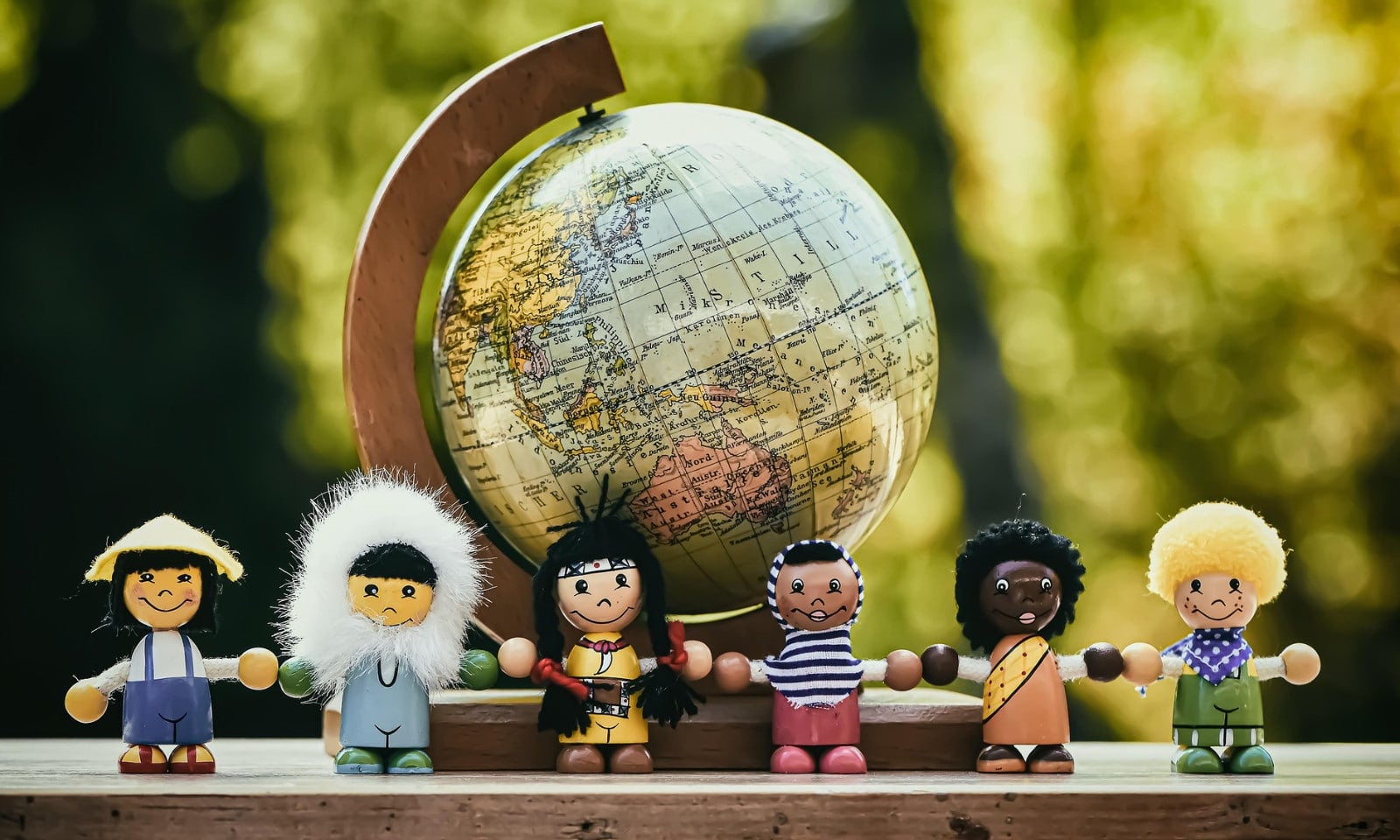
A human-centered ethic of reason, dignity, compassion, and shared responsibility offers the strongest foundation for human flourishing and social progress.


A human-centered ethic of reason, dignity, compassion, and shared responsibility offers the strongest foundation for human flourishing and social progress.
Humanists from around the globe will gather at the World Humanist Congress 2026 in Canada’s capital on August 7-9. This event will be hosted by Humanist International and Humanist Canada. Attendees will assess the challenges faced by humanity, discuss remedies and inspire action to make the world a better place in which to live. These dedicated members will celebrate successful campaigns and share valuable insights. They will also look for opportunities to share and discuss the transformative power of humanism with others.
Humanism is the simple but powerful idea that human beings should look to human needs, dignity, and well-being when deciding how to live together. Modern humanist thought emphasizes reason, compassion, free inquiry, and responsibility for one another. Organizations such as Humanist Canada define humanism as a progressive philosophy that calls on people to lead ethical lives aimed at the greater good. The Pluralism Project at Harvard University describes humanism as a worldview grounded in reason, science, freedoms, and ethics. These attributes make humanism a practical framework for improving daily life and building societies that work better for everyone.
A notable strength of humanism is its insistence that every person matters. A society organized around humanist values begins with the belief that all people possess dignity and deserve fair treatment. When societies are built on this premise, they are more likely to defend rights, discourage cruelty and increase access to education, health and safety. Humanism rejects the idea that some lives count less because of status, race or ethnicity. By grounding ethics in shared humanity, humanism creates a basis for more decent and stable communities. This broad commitment to equal worth has been central to humanist definitions and to its historical influence on public life.
A second advantage is humanism’s application of reason and evidence in decision-making. Human beings have always faced problems such as disease, poverty, violence, corruption and social upheaval. These will not be addressed if we ignore them or submit blindly to dogma. They improve when we investigate, revise failed ideas and learn from experience. Humanism treats science and critical thinking as essential tools for protecting and advancing the human condition. In public policy, this means asking what actually reduces suffering and expands opportunity. In everyday life, it means choosing honesty and inquiry over superstition and fear. A society that values evidence is better equipped to solve its problems.
Humanism also acknowledges the powerful role of education. Historically, humanist traditions have emphasized the development of the whole person through learning, reflection, creativity, and moral growth. The best societies do not merely train workers; they produce capable citizens who can think critically, weigh evidence and act with responsibility. Humanistic education strengthens independence without encouraging selfishness, because it teaches that personal growth and social obligation belong together. People who are taught how to reason can contribute more constructively to public life. In that way, humanism improves both individual life quality and collective well-being.
Humanism has still another advantage. It provides common ground when people differ in religion, culture, ideology, and personal identity. Public order cannot depend on everyone sharing the same beliefs. Humanism offers an ethic that asks what rules, institutions, and habits best protect human beings and allow them to live together in harmony. By focusing on common needs, humanism can reduce conflict and encourage peaceful coexistence. It invites people to justify public decisions in ways that others can examine, debate, and understand. This strengthens trust and even when people disagree deeply, they can still cooperate around needs like safety, education, health and mutual respect.
Humanism is especially valuable in this age of rapid change. New technologies, ecological concerns and global interdependence create moral and political challenges that past solutions often cannot address. A humanist approach does not pretend to possess final certainty. Instead, it promotes humility, experimentation, and reform. It asks what kind of future will increase human freedom, reduce suffering, and create the conditions for life to flourish. This approach is critical for addressing issues from artificial intelligence to public health to climate change. Since humanism is committed to inquiry and responsibility, it is well suited to a world in which societies must learn quickly and correct mistakes before they become disasters.
None of this means humanists are morally perfect, or that every good society must be uniformly secular or philosophically identical. Humanism is not a shortcut around human weakness. People can be selfish, irrational, and cruel under any banner. The essence is more modest; when societies promote dignity, reason, compassion, liberty, and accountability, they create better conditions than societies built on fear, authority, and exclusion. Humanism leaves room for private belief while insisting that our shared world should be organized around principles that protect people. That is why it remains such a valuable guide for modern civilization.
If the goal is to improve the quality of human lives and build societies that function at their best, humanism offers the best path forward. It begins with the dignity of every person, promotes reason and compassion, and supports education and democratic freedom. Humanism does not ask for passive obedience nor for blind certainty. Instead, it asks us to become wiser, kinder, and more capable stewards of one another. It is a practical and hopeful program for human flourishing. The best societies will be built by people who decide that human beings, using courage and care, can make life better for everyone.
Join humanists from around the world at the World Humanist Congress 2026, taking place August 7-9. This event offers a chance to connect with global humanist leaders, meet like-minded people, and explore the humanist path to a good life.
Visit the Humanists International website to book your ticket today or scan the QR code below.