Humanist Perspectives: issue 205: Nearly the Last WordReason and Beliefs about the Silver Tsunami
Nearly the Last WordReason and Beliefs about the Silver Tsunami
hat do we believe about growing old? We’re told (and tell ourselves) that we’ve toiled at our jobs for years and now deserve to relax and enjoy ourselves. In the past this may have been the case, but does it still hold true? Many younger people see it differently.
When I tell my daughter that October has been declared Seniors’ Month by Nanaimo City Council, her response is, “Isn’t that a bit like Breathe in, Breathe out Day?”
“What are you trying to say?” I ask.
“Well,” she points out, “seniors are the biggest and richest demographic these days. You grew up at the best of times when there was lots of work, plenty of good jobs, mostly with pension plans and benefits. Most of you could afford to buy a house. Yet you still get reduced fares on the ferry and cheaper prices at theatres.”
To emphasize her point, she adds, “When is it not Seniors’ Month?”
Harumph! Young people today think they know everything, so I remind my daughter that life is not a bowl of cherries for us old wrinklies. I tell her that the Revera Report on Ageism (2016) found that 63% of seniors 66 years of age and older say they’ve been treated unfairly because of their age and 21% of all Canadians say older Canadians are a burden on society!
“Ageism is real,” I tell her.
Later that day I reflect on her words. Maybe there’s a reason for ageism. Certainly there’s an awful lot of us! The 2016 Census reveals that there are more people over 65 than under 14. That seems wrong to me.
I recall that in the year before his death my husband became concerned about generational inequity and wrote grim ditties about the situation:
We eat at the best spots in town
Those younger folk all must abhor us
They’ve no way of taking us down.
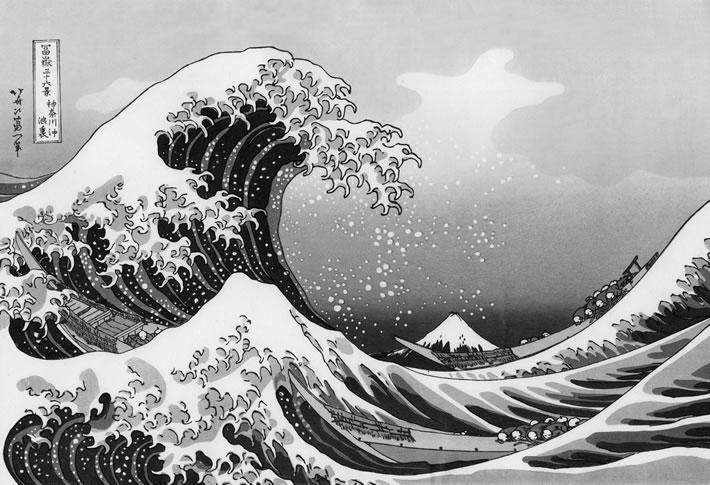
It’s true that, as a demographic, we’ve been pretty lucky. Sure, most of us have worked hard and earned some leisure time. Many of us continue to do important work in our community after our retirement; nonetheless, the old folk in the silver tsunami are seen to be self-indulgent pleasure-seekers.
I believe we elders still have much to contribute. In addition to our concrete skills and knowledge, we’ve gathered useful experience through the years. We’ve lived long enough to have experienced both good luck and bad luck, and have been treated unfairly. We’ve had great expectations that have been dashed. We’ve fallen in love and been wildly happy, and we’ve also experienced broken hearts. We’ve lost people we loved, and we’ve been scared. We’ve experienced the comfort of friendship, and we’ve had friends who betrayed us. We’ve placed our hopes in things that didn’t come to pass. We’ve had many things turn out surprisingly well.
In other words we’ve learned, through lengthy experience, what it is to be human. It behooves us to refrain from judging those less fortunate than ourselves. Maybe the greatest gift we can give to the next generations is the empathy that comes from our lived experience. From being human.
I like the word “human” and all its connections. Humane. Humanitarian. Humanist.
I phone my daughter.
“I’ve decided not to be a senior anymore.”
“Good idea,” she says. “How?”
“I’m going to become a human. And if I’m not a senior, then you don’t have to be a junior!”
“Better and better!”
“From now on we’ll just be on a level playing field. Just a couple of humans.”
“We can see eye to eye on that!” 